Reimagining AR Interaction
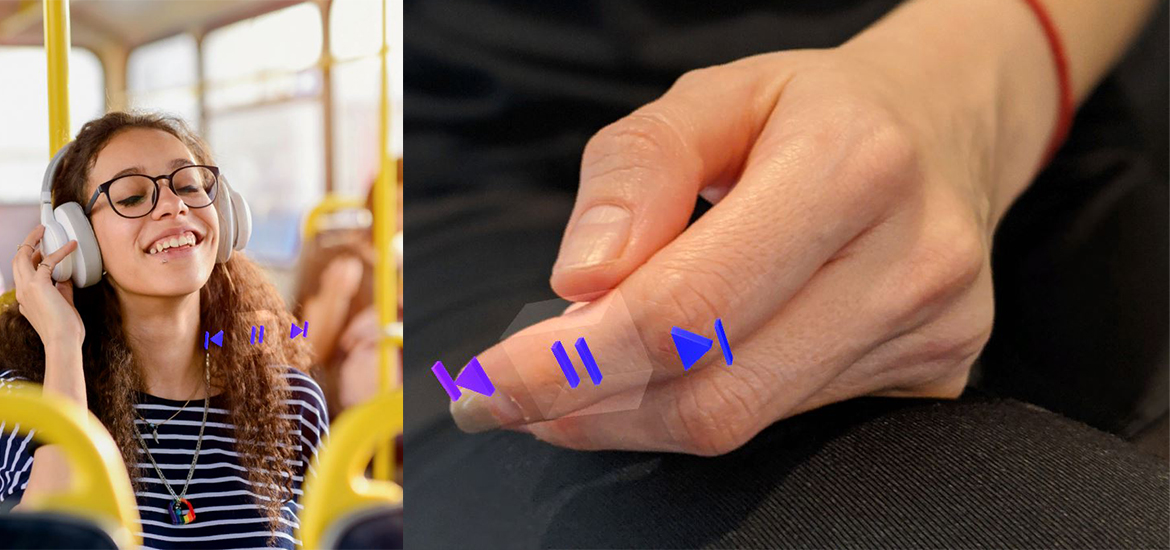
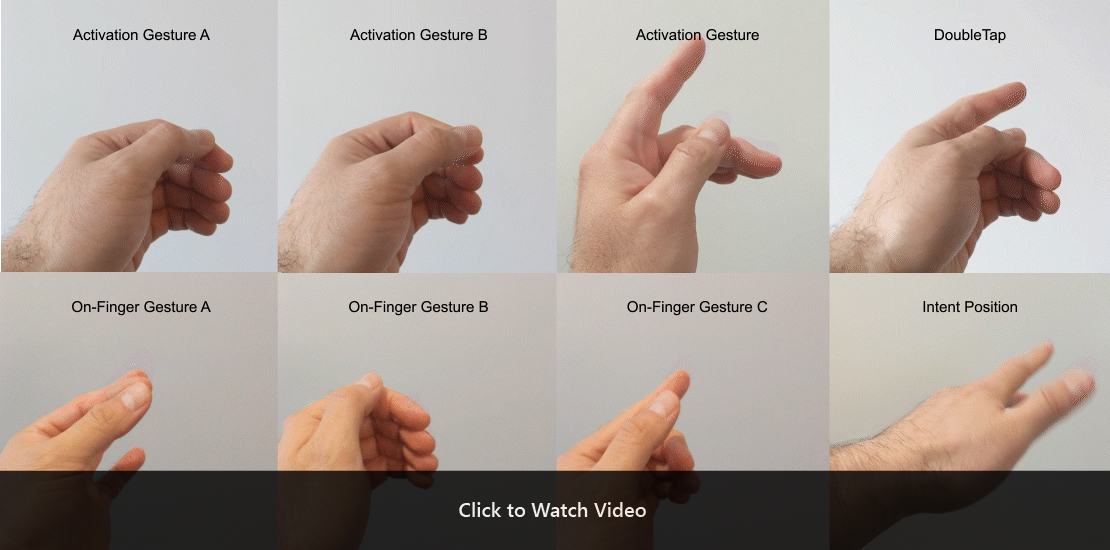
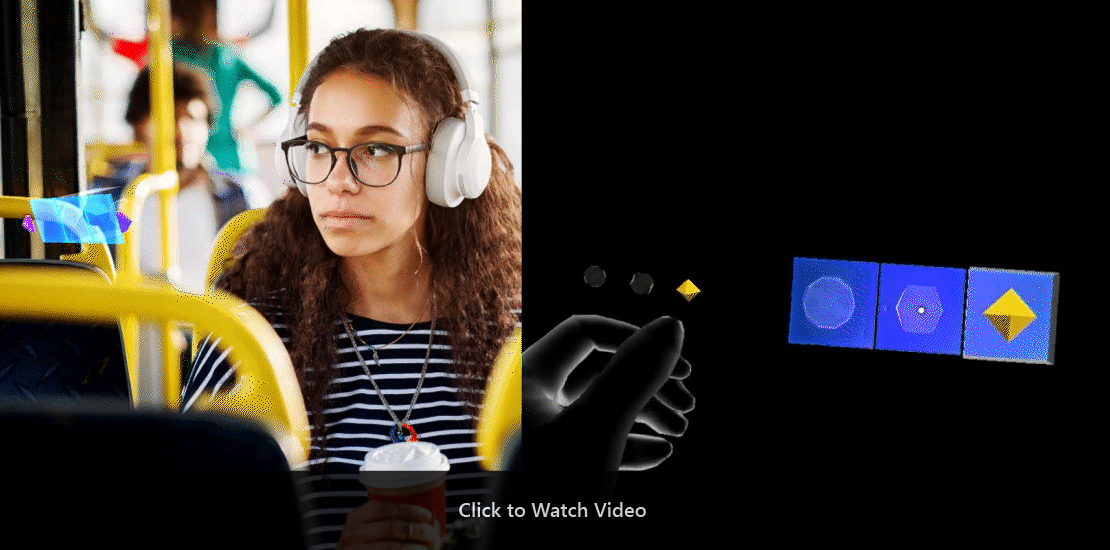
Discover how I redefined AR interaction to solve real-world ergonomic and social barriers. This patented, low effort input model showcases end to end product thinking from research to prototyping to implementation and moves spatial computing closer to seamless daily use.
Problem: One of the biggest challenges in augmented reality is defining how people interact in public environments without introducing physical fatigue or social friction. Traditional input models such as gestures, mid air tapping, and prolonged arm elevation quickly become unsustainable in real world scenarios. To make AR viable beyond controlled demos, we needed an interaction model that felt effortless, discreet, and ergonomically aligned with how the human body naturally moves. This required rethinking spatial interfaces from first principles, considering biomechanics, social acceptability, environmental context, and the constraints of early AR sensing technology.
Solution: I led the design of an innovative, low effort hand activated menu system for discreet data entry in augmented reality, engineered specifically for everyday use in public settings. The solution blended natural hand and body ergonomics with precision interaction design to reduce fatigue and prevent false activations. Through iterative prototyping, sensor evaluation, and comprehensive scenario exploration, we defined interaction patterns that allowed users to input information subtly and efficiently without relying on exaggerated gestures or external devices. This work culminated in the creation of a patented interaction model, establishing a new paradigm for ergonomic, human centered data entry in AR and moving spatial computing closer to seamless daily adoption.
CLIENT
Microsoft
PROJECT
Microsoft HoloLens