Microsoft HoloLens
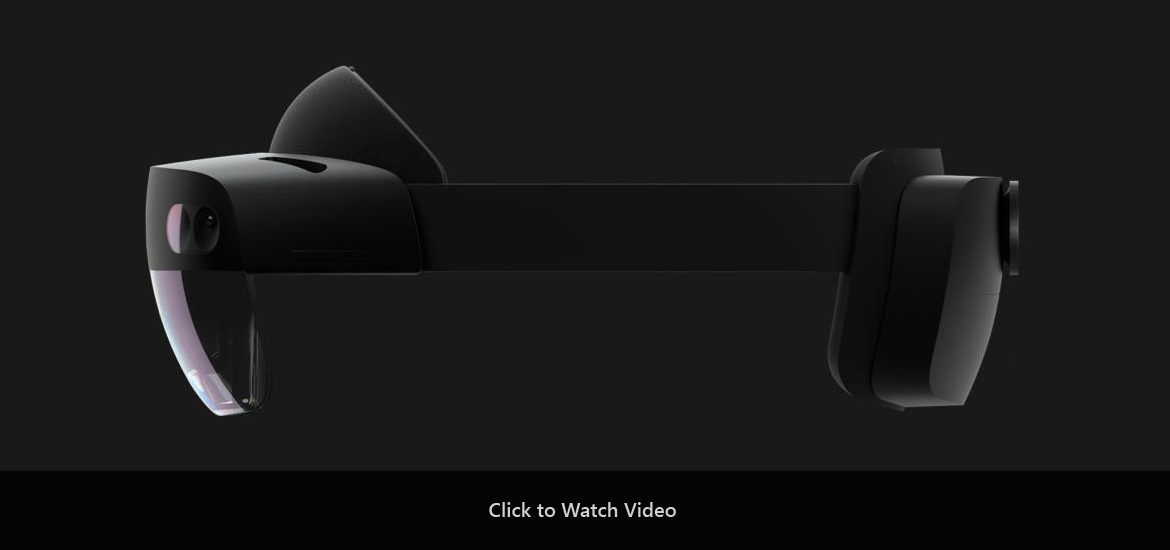
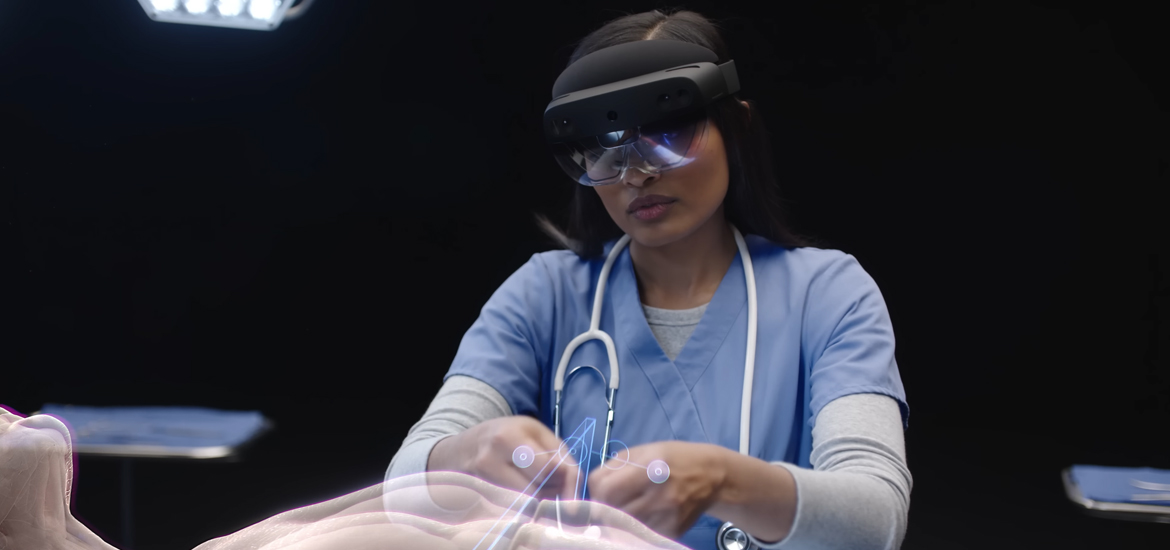
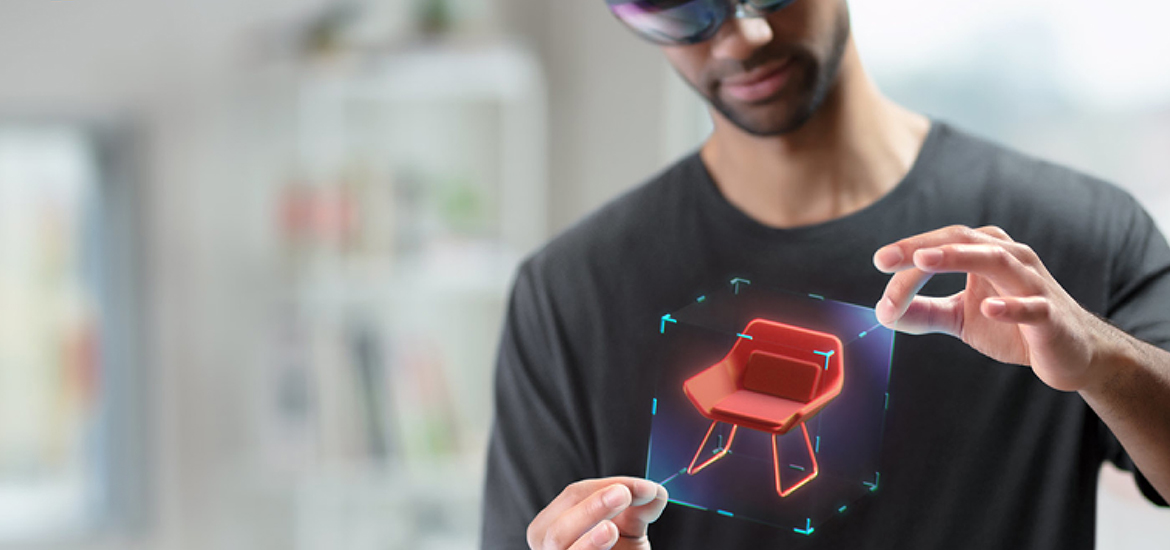
Problem: HoloLens marked the beginning of a new era in computing the first fully untethered holographic computer capable of understanding the physical world and blending it with mixed reality content. But when you invent an entirely new medium, everything becomes an unsolved problem. There were no design patterns, no interaction models, no established rules for spatial computing. Defining the foundations of how humans would see, touch, and communicate with digital content in 3D space required rewriting everything we knew about interface design, ergonomics, and multimodal interaction.
Solution: As part of the prototyping team, I helped shape the earliest interaction models for HoloLens, transforming abstract theories into functional prototypes that informed the first generation of the product. I collaborated closely with engineering, research, art, and hardware teams to validate new input devices, test spatial behaviors, and establish the first design system for holographic interfaces. My work included building core interactions for HoloLens I & II such as accessible indoor navigation, quick access menus, animated assets for the HoloLens emulator, and other foundational patterns that supported early developer workflows. These prototypes helped define how users would naturally engage with a completely new category of computing, turning innovation into a coherent, human centered operating system for mixed reality.
CLIENT
Microsoft
PROJECT
Microsoft HoloLens